
Mastering Forex Trading Your Comprehensive Course Guide 1828873735

Mastering Forex Trading: Your Comprehensive Course Guide
Are you interested in stepping into the world of Forex trading? Today, more people than ever are seeking the opportunity to trade currencies online. With the right education and strategy, Forex trading can be a lucrative venture. In this article, we will explore the various aspects of a Forex trading course and how it can help you become a successful trader. For those looking for reliable platforms, consider visiting forex trading course Online Trading Brokers to find the best options available.
What is Forex Trading?
Forex, or foreign exchange, refers to the global marketplace for trading national currencies against one another. The Forex market is the largest financial market in the world, with trillions of dollars traded every day. It operates 24 hours a day, five days a week, enabling traders to engage at their convenience.
Why Take a Forex Trading Course?
A Forex trading course provides structured education to aspiring traders. Here are some compelling reasons to consider enrolling in one:
- Gain Knowledge: Courses cover essential topics such as market analysis, trading strategies, risk management, and the psychology of trading.
- Structured Learning: Unlike self-studying, formal courses provide a systematic approach, ensuring that you cover all critical materials.
- Expert Guidance: Many courses are taught by experienced traders who can share valuable insights and answer your questions.
- Networking Opportunities: Joining a course can connect you with fellow traders and provide a support system as you navigate the Forex market.
What to Expect from a Forex Trading Course
A comprehensive Forex trading course typically includes the following components:
1. Basics of Forex Trading
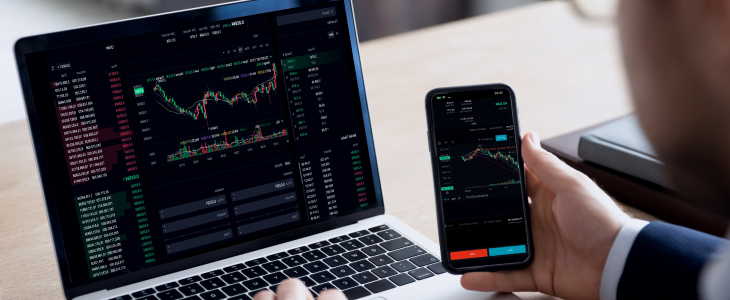
You’ll start with the fundamentals, learning key concepts like currency pairs, pips, lot sizes, and how to read Forex quotes. This foundational knowledge is crucial for making informed trading decisions.
2. Technical and Fundamental Analysis
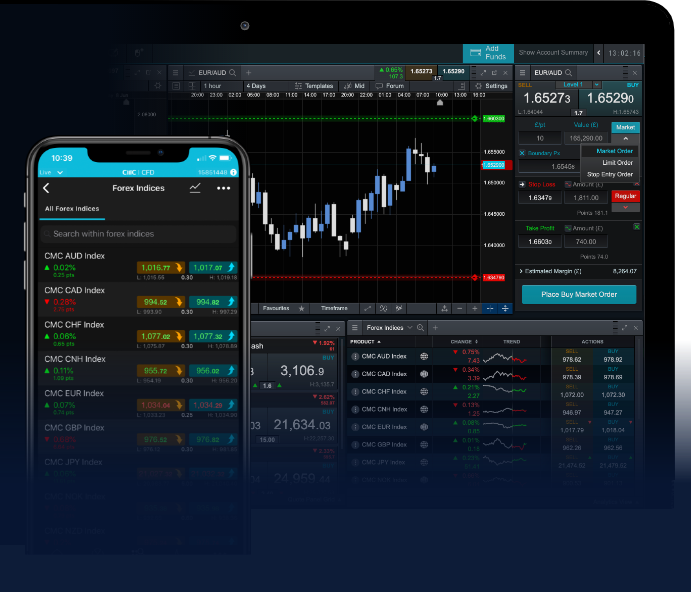
Courses often cover both technical analysis (using charts and indicators to forecast price movements) and fundamental analysis (considering economic indicators and news events that affect currency values). Learning how to apply both methods can enhance your trading accuracy.
3. Trading Strategies
A significant portion of the course will focus on different trading strategies, such as scalping, day trading, swing trading, and position trading. You’ll learn how to develop and implement your strategies based on your risk tolerance and market conditions.
4. Risk Management Techniques
Understanding how to manage risk is vital to your success as a Forex trader. Courses typically cover position sizing, setting stop-loss orders, and the importance of maintaining a balanced trading portfolio.
5. Trading Psychology
The psychological aspect of trading cannot be overlooked. Courses often address how emotions such as fear and greed can impact your decision-making process, providing strategies to maintain discipline and objectivity.
How to Choose the Right Forex Trading Course
Selecting the right course can greatly influence your learning experience. Here are some tips to help you choose:
- Check Credentials: Research the instructors and their trading backgrounds. Ideally, they should have substantial experience and a proven track record.
- Course Content: Review the curriculum to ensure it covers all relevant topics you’re interested in, from basics to advanced trading techniques.
- Format: Consider whether you prefer in-person classes, online videos, or a mix of both. Convenience is key, so choose a format that fits your schedule.
- Reviews and Testimonials: Look for feedback from past students to gauge the effectiveness of the course and the support offered.
The Cost of Forex Trading Courses
Forex trading courses can vary widely in cost. Some are free, while others can be quite expensive, especially if they offer in-depth training and one-on-one mentorship. It’s essential to weigh the cost against the potential return on investment in your trading journey.
Common Mistakes to Avoid in Forex Trading
Even with a good education, mistakes can happen. Here are some common pitfalls to be aware of:
- Not Having a Trading Plan: Entering the market without a defined strategy can lead to impulsive decisions and losses.
- Over-Leveraging: While leverage can amplify profits, it can also amplify losses. Use it cautiously.
- Ignoring Economic Indicators: Failing to consider macroeconomic factors can result in unexpected market movements.
- Letting Emotions Take Over: Maintaining a professional demeanor is crucial. Avoid making decisions based on fear or greed.
Conclusion
A Forex trading course can be an invaluable tool for anyone looking to develop their trading skills. By investing time and resources into your education, you’ll not only increase your chances of success but also gain the confidence needed to navigate the Forex market. Remember to take your time when selecting a course, and always be open to learning. Good luck on your trading journey!